Understanding the process of dying

The journey of dying is often a process, and the physical and emotional changes that occur can be daunting if not understood. Our goal is to provide clear, compassionate education to help families and caregivers navigate this challenging time with confidence and peace of mind.
Frequently asked questions about the end of life

Dying is typically a process, and the associated physical and emotional changes can be frightening if families do not understand them. We aim to inform and reassure you that many common changes—such as increased sleeping, reduced eating and drinking, weakness, altered breathing, decreased responsiveness, confusion, restlessness, and circulation changes—are natural parts of the body gradually slowing down. While these signs cannot predict an exact timeline and every person’s experience is unique, it's crucial for families to know how to provide comfort, when to contact hospice, and that they are not alone in navigating these moments.

What are the key signs to look for as someone nears the end of life?

Changes like sleeping more, eating and drinking less, increasing weakness, and decreased responsiveness are often natural parts of the body slowing down. Breathing and circulation may also change, with breathing becoming irregular or noisy, and hands, feet, or skin appearing cool or mottled. While these can be alarming, they do not always indicate discomfort. Remember that every person’s dying process is unique, and these signs cannot reliably predict an exact timeline.

How will I know if my loved one is suffering?

Families often worry about suffering. While many physical and behavioral changes are natural, signs of discomfort can include grimacing, moaning, or restlessness that doesn't resolve with repositioning. Contact your hospice or healthcare team whenever symptoms are new, distressing, or concerning so they can assess the person and help maintain comfort.

Why are they sleeping more and eating/drinking less?

Increased sleeping and decreased intake of food and fluids are very common as the body's metabolism slows down. This is a natural part of the dying process and does not typically mean the person is in pain or starving. Forcing food or drink can sometimes cause discomfort. Focus on offering sips of water or ice chips if desired.

Can my loved one still hear me?

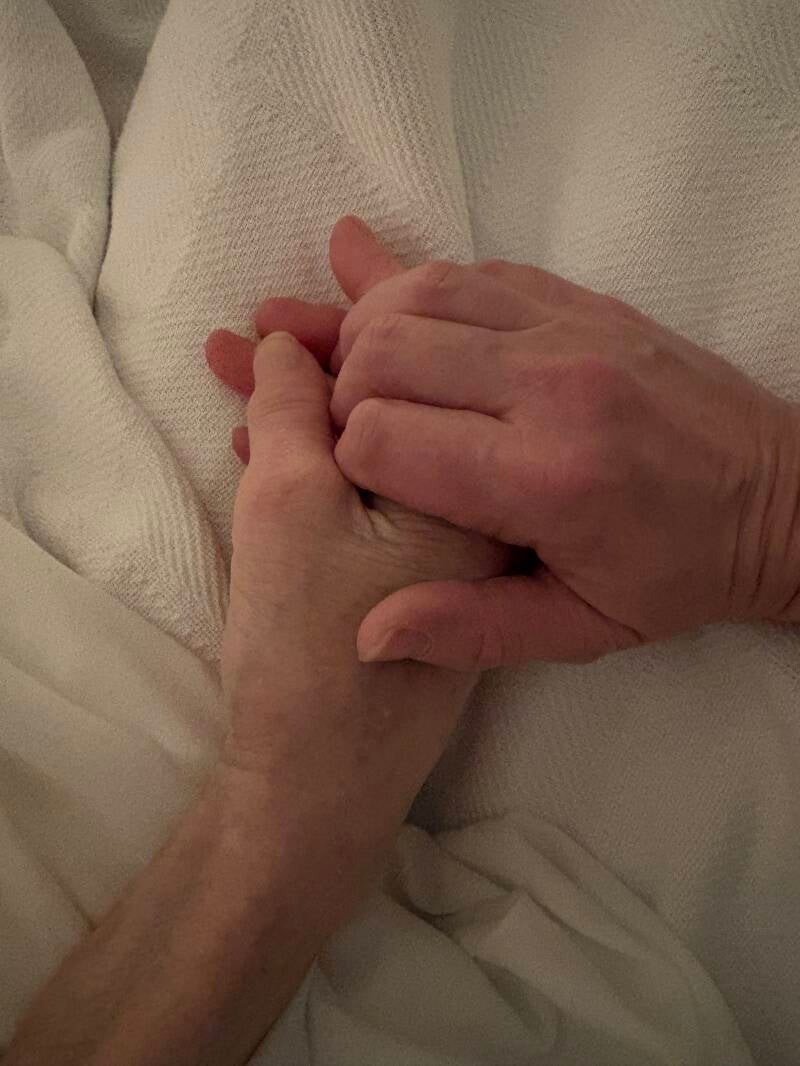
Hearing is often one of the last senses to diminish. Even if unresponsive, it is generally believed that people can still hear. Continue to speak to your loved one, express your feelings, play comforting music, and hold their hand. Your presence and reassurance are incredibly important.

What should I do if breathing or circulation changes?

Irregular breathing patterns (like Cheyne-Stokes respiration) and changes in circulation (cool, mottled skin) can be upsetting but are natural parts of the dying process. These changes do not necessarily mean the person is uncomfortable. Your hospice or healthcare team can provide guidance on managing these changes and reassurance.

Will comfort medications hasten death?

This is a common concern. Comfort medications, when used appropriately, are given to relieve pain, anxiety, and other distressing symptoms. Their purpose is to improve comfort, not to hasten death. Your hospice team is skilled in managing these medications safely and effectively.

How will I know when death is very near?

While an exact timeline is impossible to predict, as death becomes very near, you might notice further decreased responsiveness, longer periods of unconsciousness, significant changes in breathing patterns, and changes in skin color and temperature. The hospice team can provide support and guidance during this time.

What is the most important thing caregivers can do?

Caregivers should understand that their presence, reassurance, touch, and love still matter immensely, even when they cannot change what is happening. Focus on providing comfort, being present, and seeking support from your hospice or healthcare team. You do not have to navigate this alone.

Find comfort in understanding

We hope this information leaves you feeling more prepared and less fearful of what you may witness. Knowing what to expect allows families to focus less on fear and more on being present with the person they love. Remember to contact your hospice or healthcare team whenever you notice changes, have comfort concerns, or simply need reassurance. Explore additional end-of-life resources to better understand comfort care, symptom changes, medications, and ways you can support your loved one. Most importantly, you do not have to navigate the dying process alone.